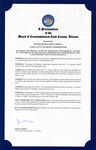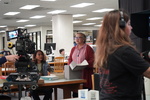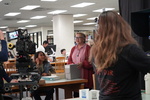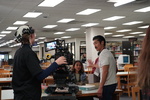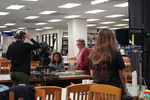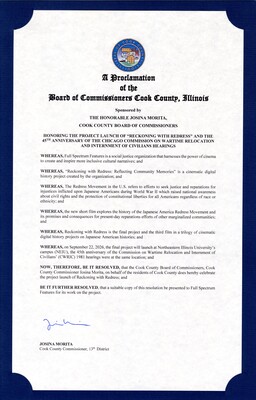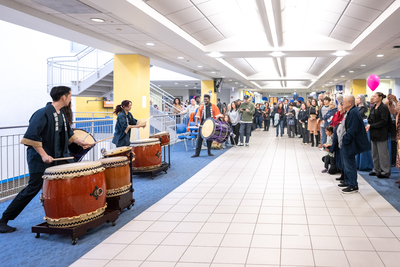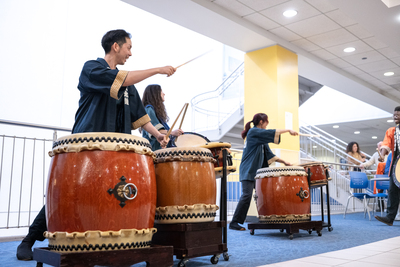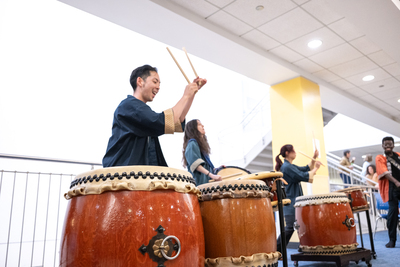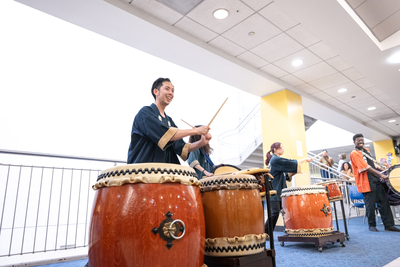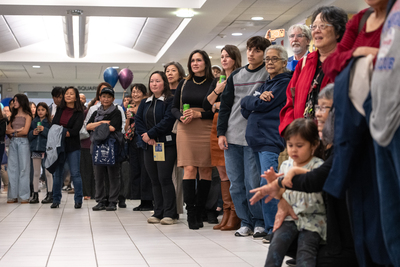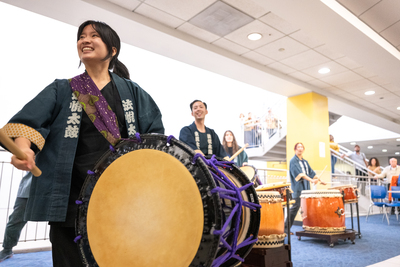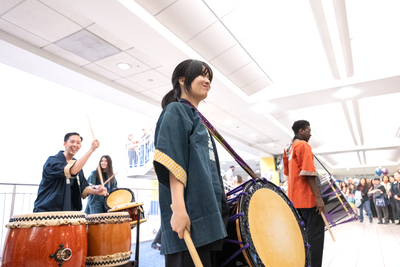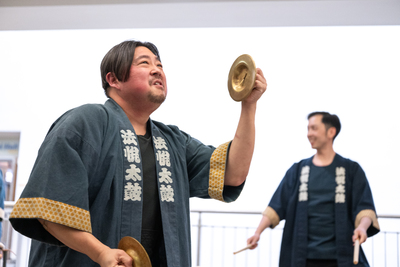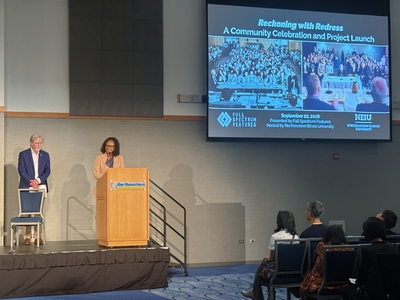
Reckoning with Redress Film Project, September 22, 2026
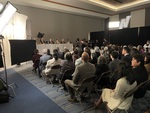
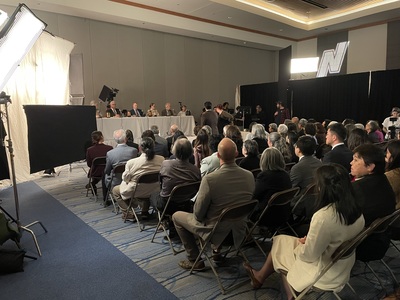
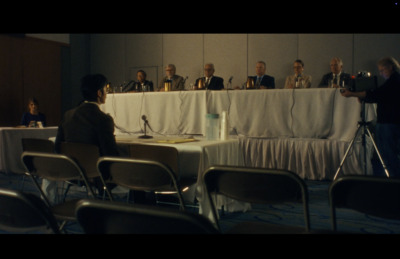
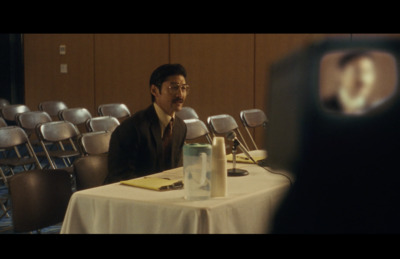
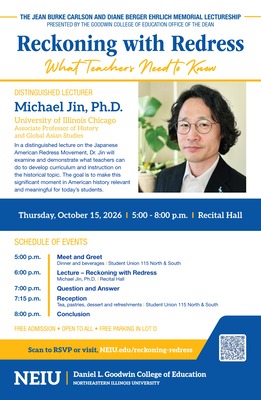
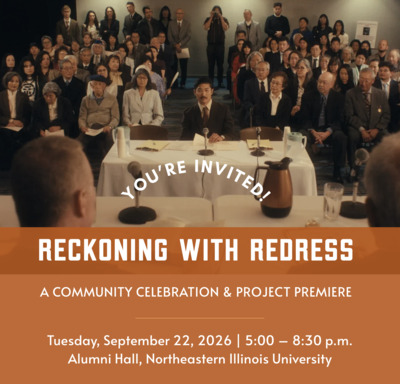
Executive Order 9066 issued by President Franklin D. Roosevelt on February 19, 1942, authorized the relocation and incarceration of all Japanese American residents of US West Coast “military zones.” On Sept. 22-23, 1981, the Commission on the Wartime Relocation and Internment of Civilians (CWRIC) hearings were held on Northeastern Illinois University’s Main Campus (and several other locations around the U.S.). The hearings investigated the legality of Executive Order 9066, a mandate issued by Roosevelt during World War II that led to the detainment of more than 120,000 people of Japanese ancestry, two-thirds of whom were American citizens. Considered a threat to national security because of their ethnic background, the uprooted Japanese and Japanese Americans were placed into internment camps and held for an average of three years. No internee was ever formally charged with or convicted of espionage or sabotage.
The Japanese American Redress Movement and the CWRIC hearings ultimately lead to the passage of the Civil Liberties Act of 1988, which offered a formal apology by President Ronald Reagan and financial reparations to surviving victims of incarceration.
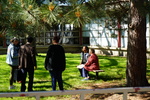
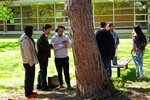
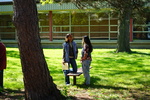
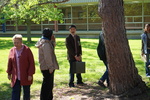
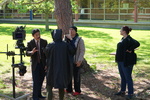
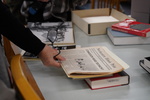
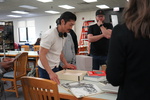
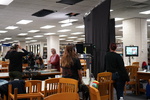
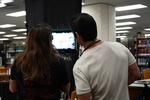
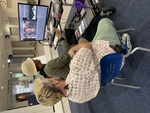
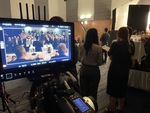
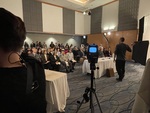
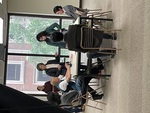
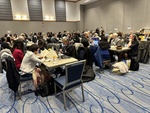
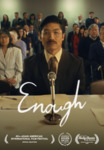
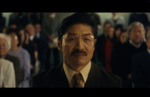
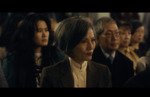
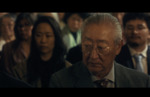
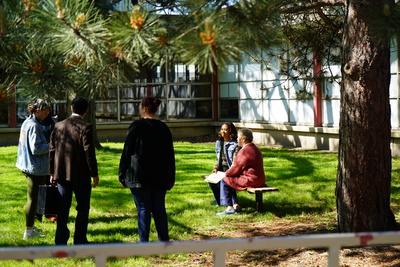
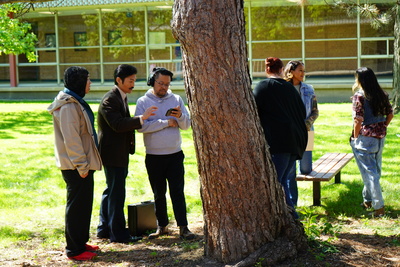
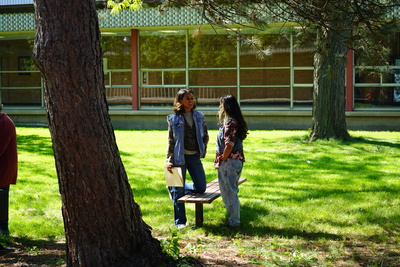
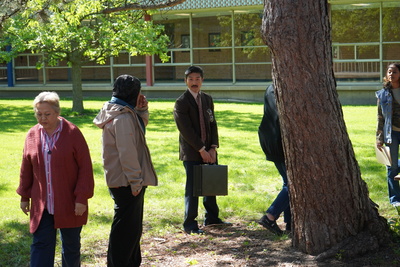
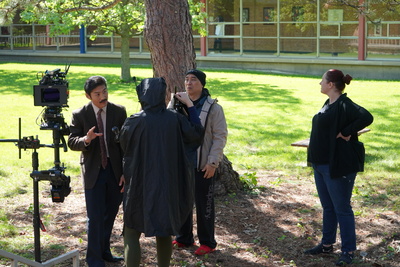
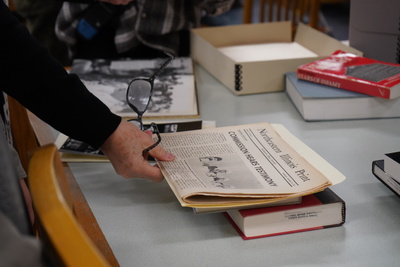
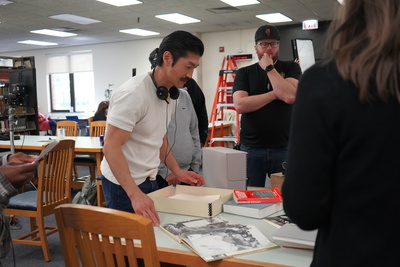
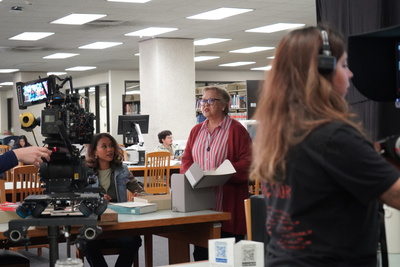
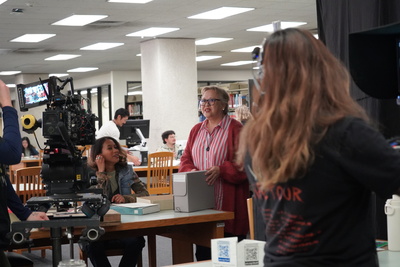
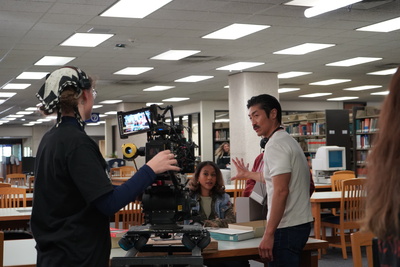
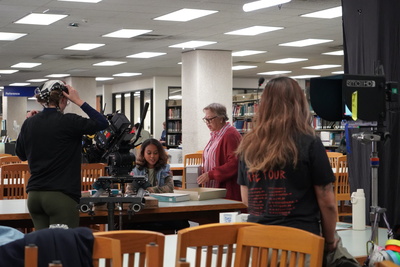
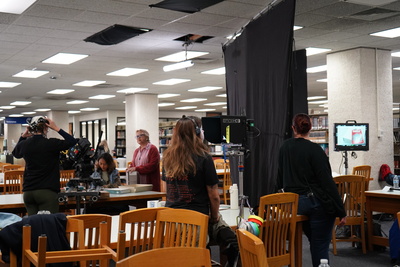
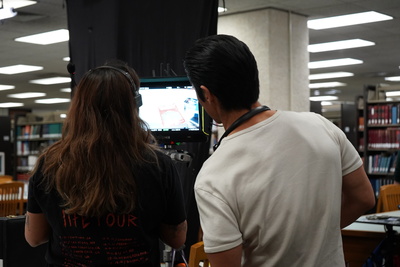
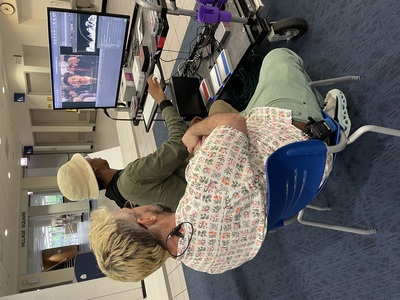
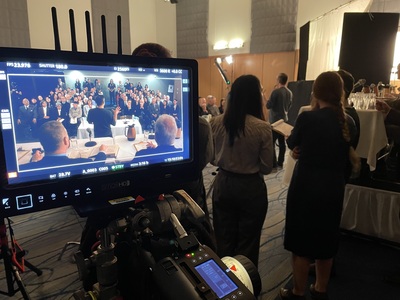
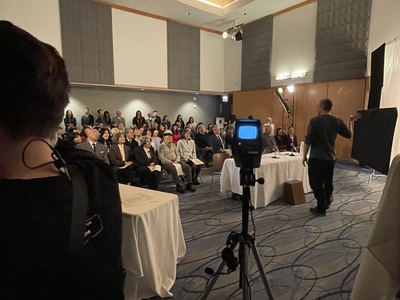
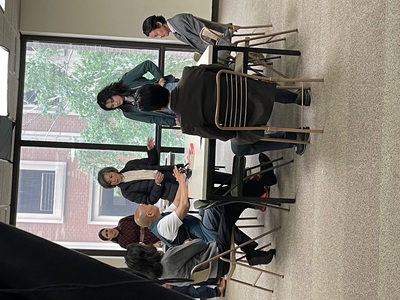
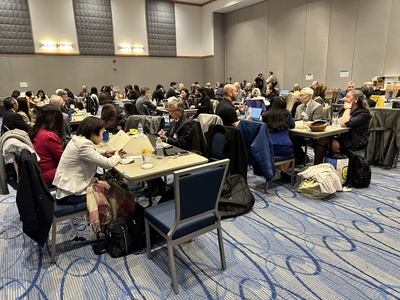
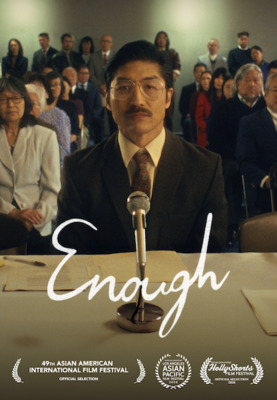
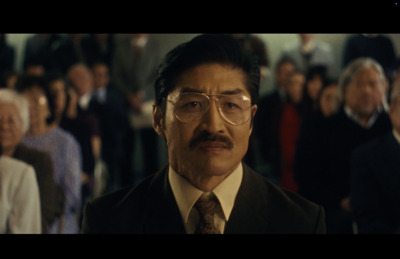
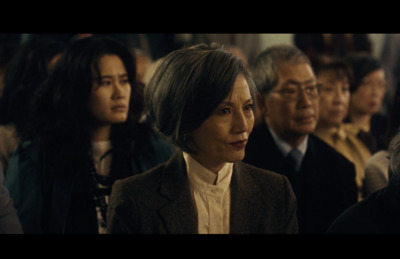
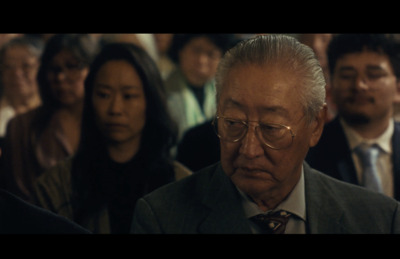
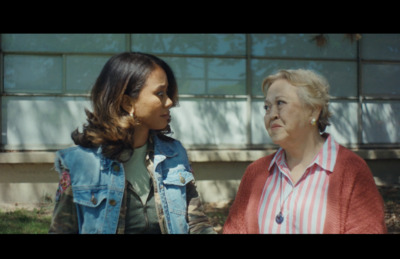
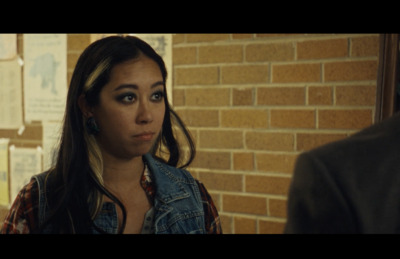
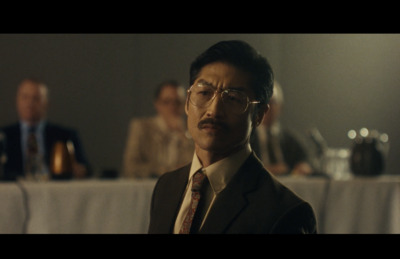
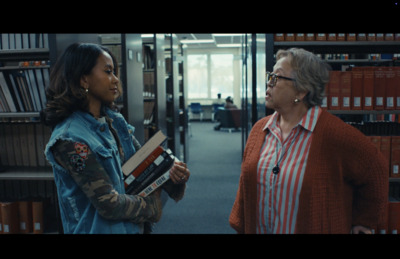
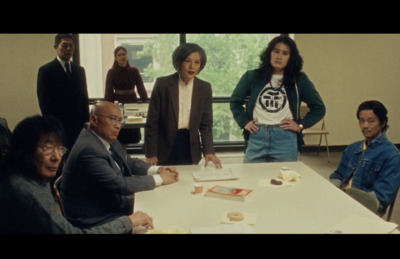
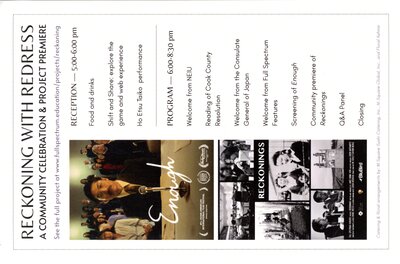
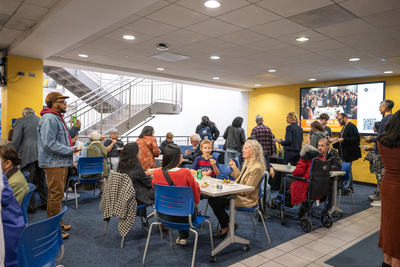
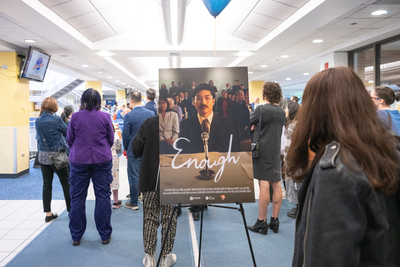
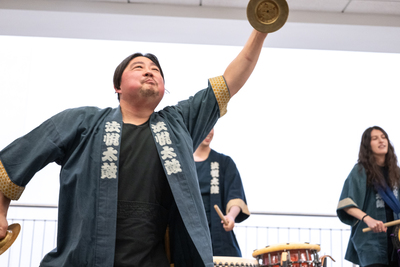
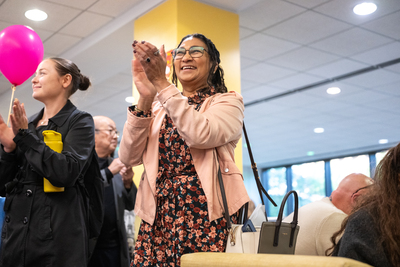
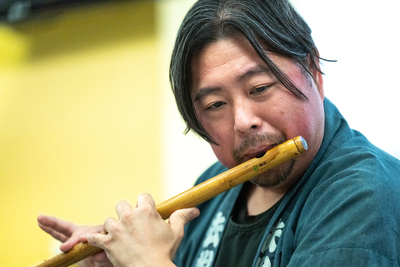
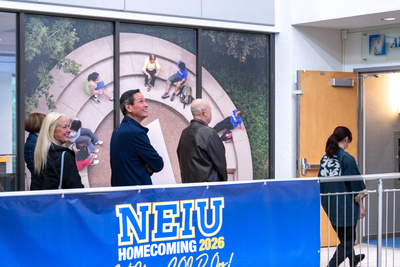
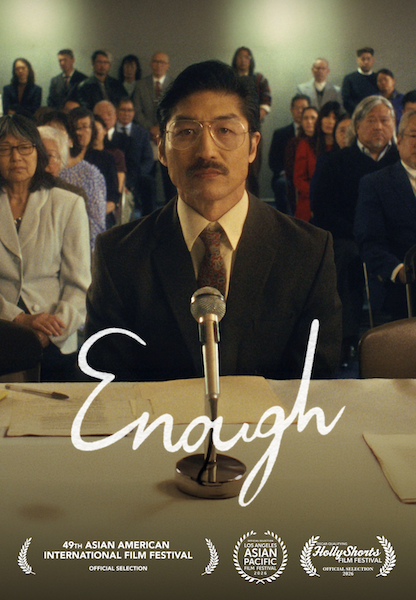
In 2026, Full Spectrum Education released Reckoning with Redress, a project documenting how the Japanese American community gathered evidence, shared personal stories, built a case, and ultimately won redress. The project includes Enough, a film; Activate the Archives, an interactive game; and educational resources designed for classroom use. The Reckoning with Redress project used collections housed in the NEIU Archives and the film was shot on the NEIU campus.
Click here to explore the film and the full Reckoning with Redress project.