
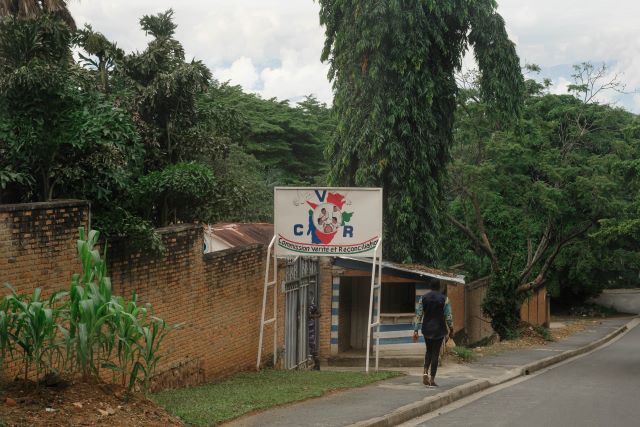
In December of 2023, Northeastern Illinois University students and faculty traveled to Burundi to conduct research for the Genocide and Human Rights Research of Africa in the Diaspora (GHRAD) Center. Over the course of sixteen days, this modest group of individuals diligently worked together to reveal a hidden piece of history that continues to plague Burundians every single day. The main objective of this endeavor was to gather as many survivor testimonies as possible from those who endured the extremely stifled and shrouded 1972 Genocide of Burundi.
Survivors were forbidden to mourn the death of their loved ones and persecuted if they spoke about the brutal massacre. Educated Hutu members of the community were targeted, hand-selected, arrested, slaughtered, and dumped into mass graves. This tragedy did not happen overnight. This tragedy did not happen by chance. This tragedy was a strategic and gruesome plan that was specifically created to eliminate the entire Hutu ethnic group.
Now, more than 50 years later, GHRAD is recording their stories allowing victims to finally shatter their silence. The testimonies collected by the GHRAD Center at NEIU are pivotal in creating a research compilation in the form of an Oral History Archive for the Library Digital Commons website.
This multimedia exhibit contains graphic images and sounds that some viewers may find disturbing. Viewer discretion is advised.




































-

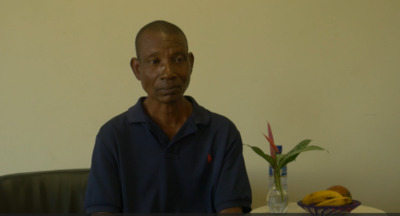
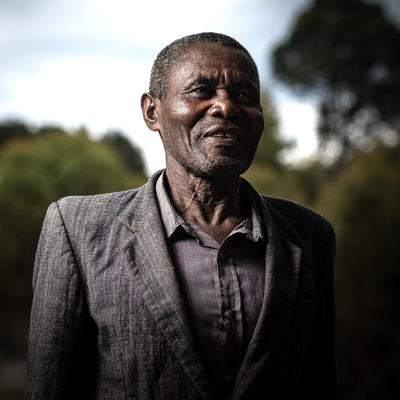
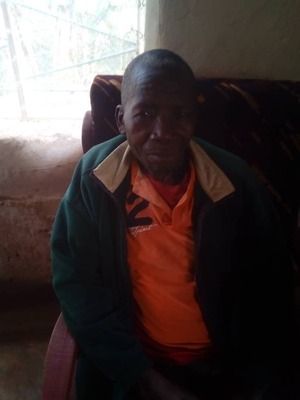
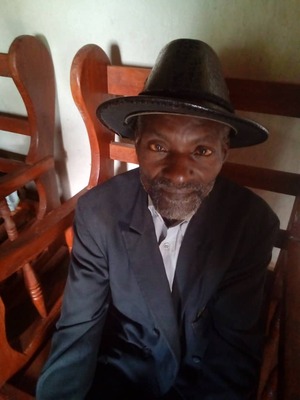
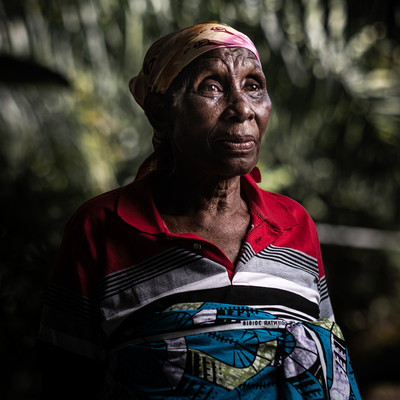
Rudahemana, Oscar
Oscar Rudahemana
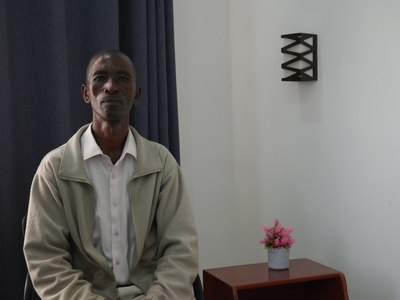
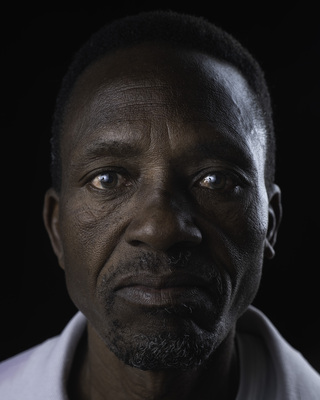
Oscar Rudahemana was born in 1956 in Gasura village, Vumbi commune, Kirundo province. He dropped out of school in sixth grade when he failed twice. He recounts that the 1972 tragedy was a very sorrowful period especially for a Hutu who had a job, whether a teacher or a doctor, or one who had any kind of work. At that time, they hunted him so that they would kill him from this world.
That’s why Oscar and others became orphans, they suffered and they didn't know how to handle that situation. Nobody could even mourn for his parents. If someone dared to ask why those things[killings] were and how those things[war] broke out at that time, they then told him that he was a traitor. They found themselves in a situation where they couldn’t talk about it. They couldn’t talk about it at that time and it was very difficult and very sad.
They rounded up Oscar’s father from his school, in Gasura where he was teaching and they killed him. His father( Oscar's grandfather) and other people had warned him to escape and run away because they saw that they were taking away many hutu people but he denied. Then he stayed there until the end of May, he was already confident, the period of truce was about to be announced, then they heard that they took him away from school. People said that “it’s over, they had taken him away”. Among the perpetrators who arrested him were administrator Gahima Etienne and his soldiers. They entered the classroom and then said, "Get out!" They immediately went out and they threw them into the car. They left and didn't come back. After that, they all looked around and found that hutu people who were smart, who had jobs perished. Oscar’s family got a very miserable life after their father’s death, even though they had a good life before, they couldn’t continue their studies, they suffered too much.
Oscar wishes those bad things would not happen again until the end of the world, whatever the future may be, they would not reoccur, they should be uprooted.
-

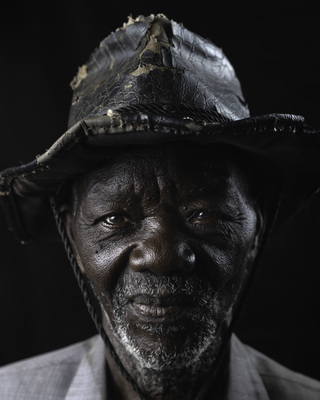
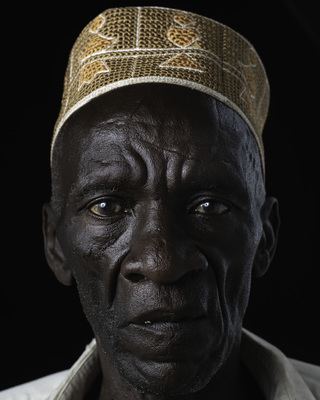
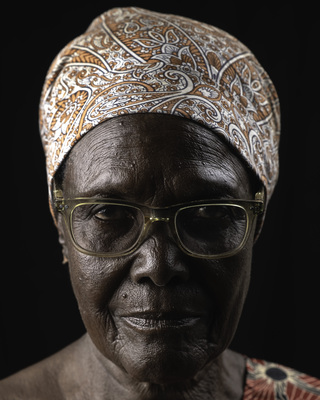
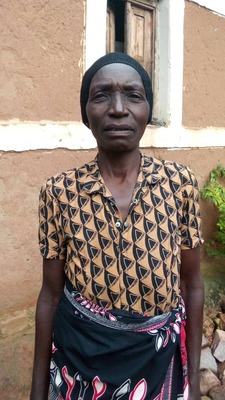
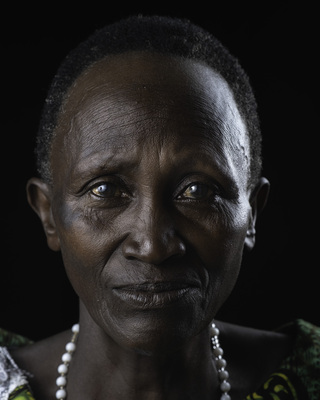
Simbananiye, Cécile
Cécile Simbananiye
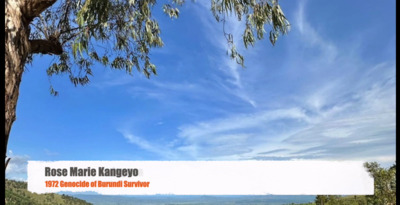
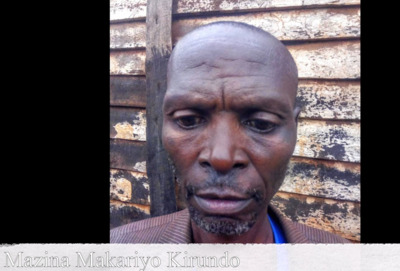
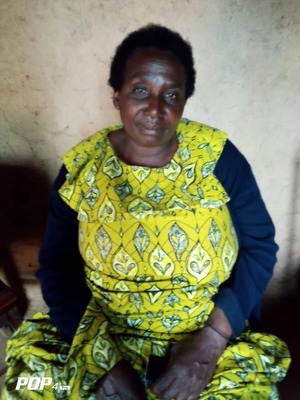
In 1972, Cecile Simbananiye lost her husband, his father-in-law and his brother-in -law. Working as a salesman in Bujumbura, her husband supported his family with everything they needed. Cécile was a farmer at Gikiranya village. In 1972, people came from Bujumbura and told Cécile that her husband was killed. She didn’t see him again and all of his belongings were looted. She saw him the last time before he departed to work in Bujumbura.When the tragedy began Cécile already had five births. Cécile didn’t know what was behind the death of her husband. Still questioning about that, she saw people arresting Hutus in her neighborhood. They came and took them away one by one saying ‘’go you will come back after’’ and they ( people) waited for them to come back in vain. They also took away his father-in-law and her brother-in -law who were at Bujumbura. They arrested only the Hutus but she didn’t realize why. After the tragedy, Cécile sent her two children to school. They passed the national test of sixth grade but their results were given to Tutsis who didn’t pass, so they were forced to drop out of school. One of her children said: “and now they again wronged me, the grades I had were given to someone else so I didn't go back there”. Cécile didn’t mourn the death of her husband. In that period, nobody was allowed even to cry.
-

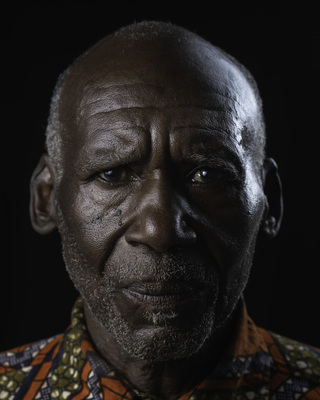
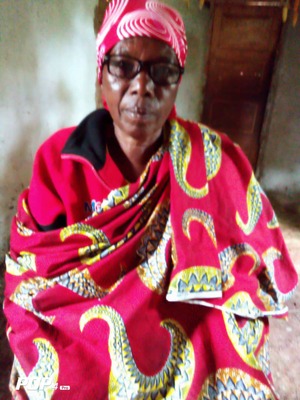
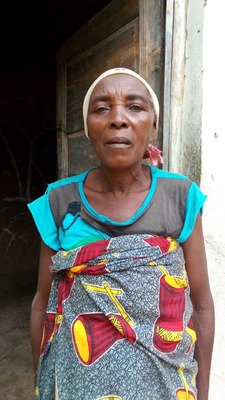
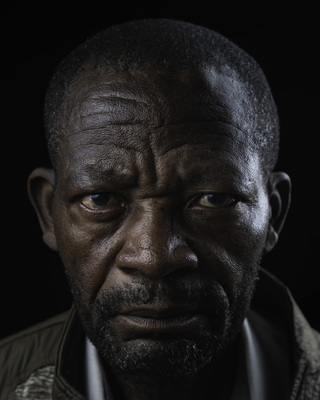
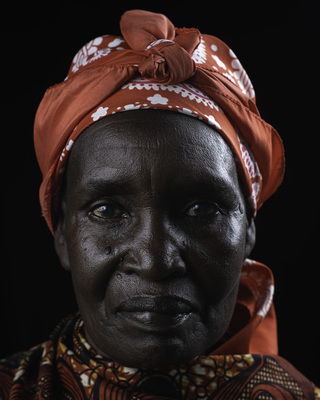
Sinagaye, Simoni
Simoni Sinagaye
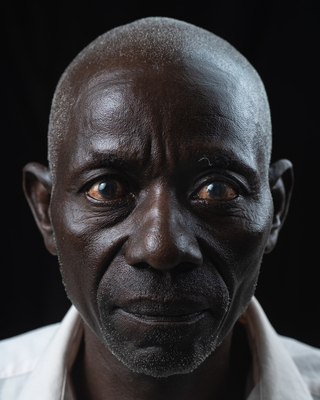
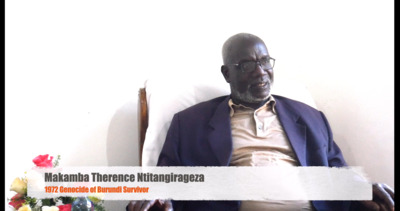
On April 30th, the second day of the 1972 tragedy, Simoni Sinagaye was at Kivumu elementary School. He saw students who fled from Mugara, Rumonge commune, being arrested and herded to the zone at Manyoni. Anyone who went there did not return. They afterwards started to arrest the local population. They targeted any Hutu who has income-generating activities, students, intellectuals, or any Hutu man who owns valuable things. His father, who was a merchant, was arrested in similar circumstances and did not come back. His job was to sell clothes, cows and fish. Simoni escaped thanks to a Tutsi neighbor who was a friend of his family. He warned him to run away. His elder brother was also killed in that tragedy, he was also a businessman. To arrest a big number, they mobilized all men to attend the vigils. They rounded up one by one, took them to the zone and nobody came back. Discrimination against Hutus continued even after 1972. Hutu students were not allowed to enter 7th grade. After passing the national test, the headmasters together with authorities took the grades of Hutu students and attributed them to Tutsis who failed. Hence, Hutu students dropped out of school by the time Tutsis moved to the 7th grade. The perpetrators looted afterward the victims’ belongings, especially stores, houses, lands, and any valuable equipment. The widows as well as the orphans stayed in misery.
-

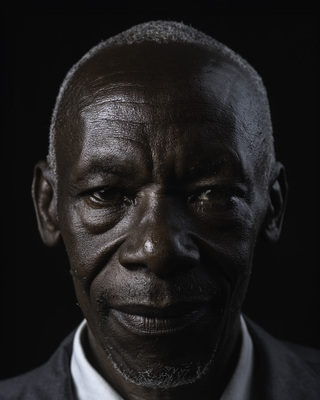
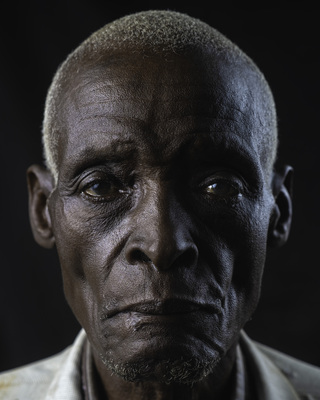
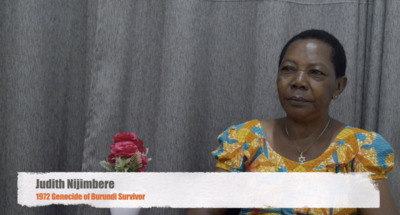
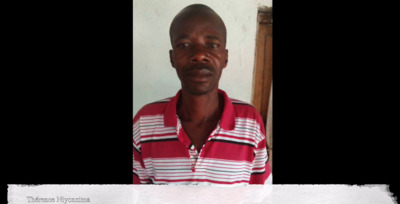
Sindabizera, François Xavier
François Xavier Sindabizera
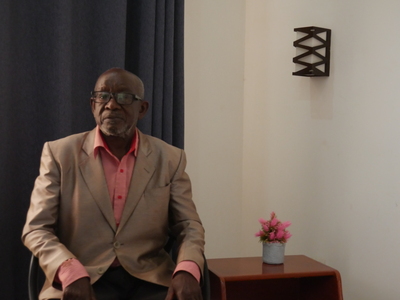
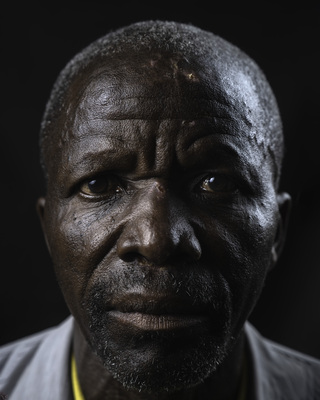
Sindabizera comes from a village named Murore. He had three siblings and two parents who passed away in 1970. His only brother was a teacher at his school and was captured during 72, due to the accusation of engaging in political affairs. He was arrested for 6 months. Older students would mock Sindabizera about his brother being captured and claimed he was taken to Vumbi to be tortured. This caused him and his family to lose hope that their brother was still alive. Sindabizera's neighborhood consisted of Rwandan Tutsi families, where a rumor spread that claimed they were the ones who were the capturers of Sindabizera’s brother. Some of his neighbors were chiefs, who worked at the municipality, who were said to be responsible for taking his brother.